
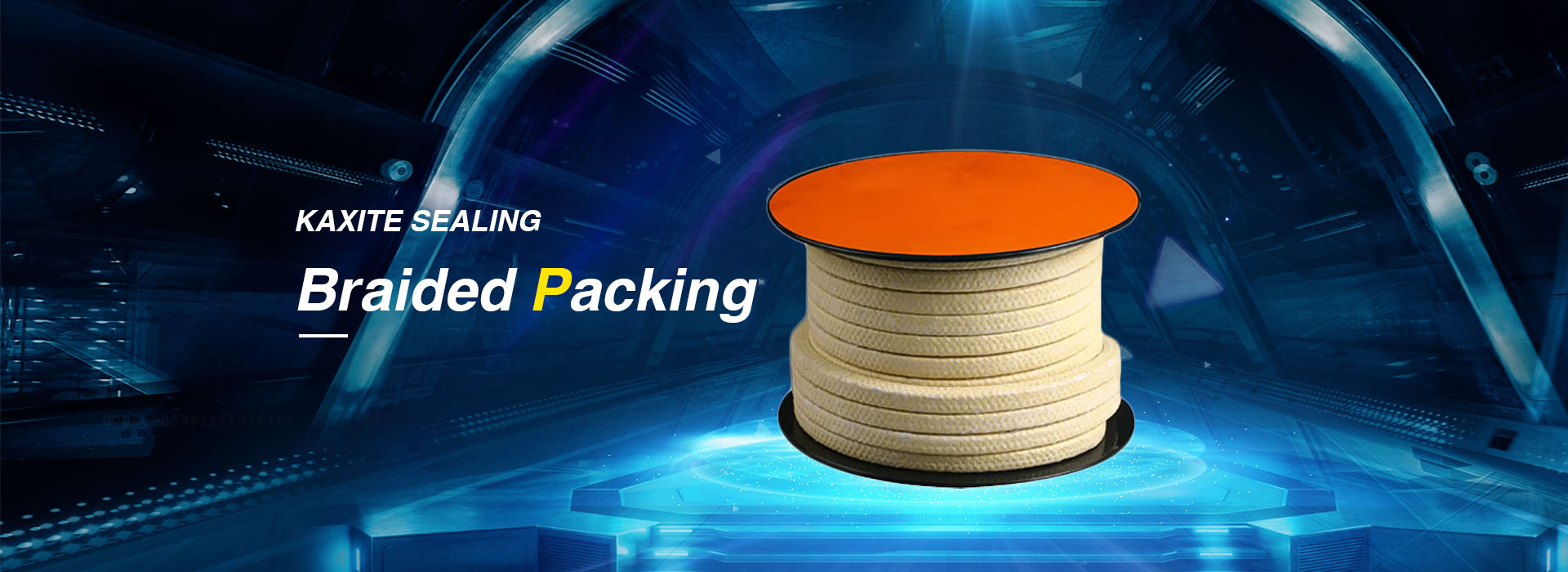
KAXITE is a leading Chinese manufacturer of mineral fiber packing, braided packing, and gland packing with over 20 years of expertise. We supply ceramic fiber, glass fiber, and graphite-impregnated mineral packing for the oil & gas, chemical, power generation, marine, and pulp & paper industries. Our OEM/ODM services include custom braiding, impregnation, and sizes – backed by full traceability and competitive factory pricing.
Engineered for high-temperature, high-pressure, and chemically aggressive environments
Mineral packing for valves, pumps, and flanges in refineries and offshore platforms
Acid- and alkali-resistant packing for reactors, agitators, and piping systems
High-temperature packing for steam turbines, boilers, and exhaust systems
Watertight and fire-resistant packing for shaft seals and deck machinery
Abrasion-resistant packing for digesters, pumps, and agitators
Versatile mineral packing for pumps, valves, and flanges in all industrial sectors
★★★★★"We replaced a failing ceramic fiber grade in a 900°C valve bonnet application. Kaxite's P263 with Inconel reinforcement held up where the previous packing oxidized within weeks. The MTR matched the heat number on delivery."
— Maintenance engineer, European power generation plant
★★★★★"P801P is our default for caustic and water pump shafts. The PTFE impregnation keeps the braid from hardening, and we get consistent ring dimensions across repeat orders."
— Procurement lead, Southeast Asian chemical processor
★★★★★"We needed an asbestos-free mineral grade for static flange sealing after a regulation change. Kaxite sent P262 graphite-impregnated glass fiber rings with API 622 test data before we placed the bulk order."
— Reliability engineer, Middle East oil & gas operator
A: Use glass fiber when the temperature ceiling is 600°C or below and the service is dynamic or semi-dynamic; use ceramic fiber when heat is the limiting factor (up to 1050°C with Inconel reinforcement) and the seal is static. Glass fiber is generally the better default for pump shafts; ceramic fiber is specified for furnace, boiler and valve-bonnet sealing.
A: Graphite impregnation lowers friction and eases installation, making it suitable for static high-temperature joints. PTFE impregnation forms a barrier that prevents solids from entering the seal and helps retain elasticity, so it is preferred for pumps and valves in water, steam and neutral media.
A: In many static high-temperature applications, yes — ceramic and glass fiber grades cover the temperature range where asbestos was traditionally used. However, asbestos packing still offers broader pH tolerance (P260: pH 2–13) and is restricted or banned in several jurisdictions; confirm local regulation before substituting.
A: Yes. Kaxite Sealing offers custom braiding, impregnation and dimensions. Every shipment includes MTR and API/NORSOK certificates upon request.
Submit your specifications – we'll provide a detailed quote within 4 hours with full engineering support.
Get Your Free Quote →
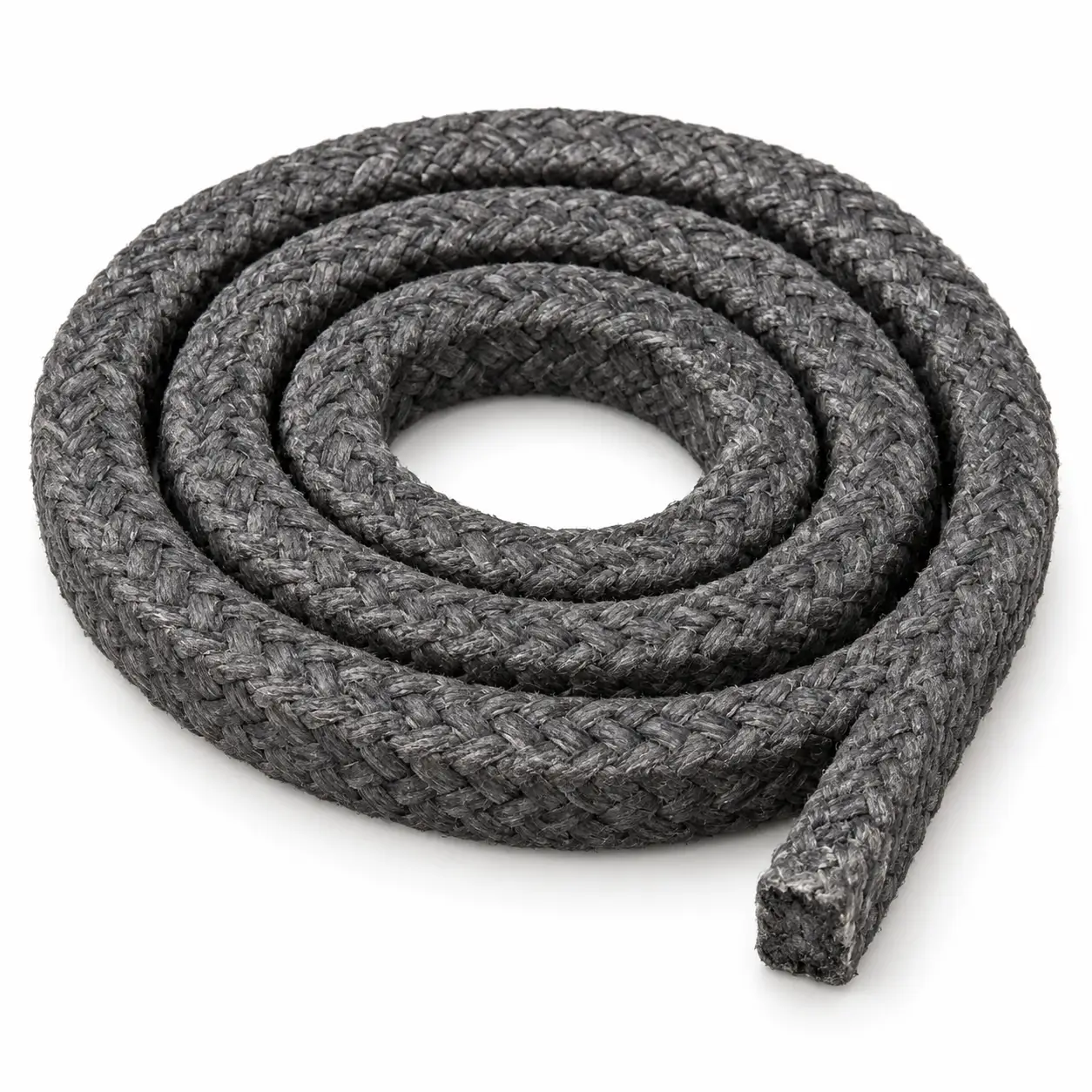
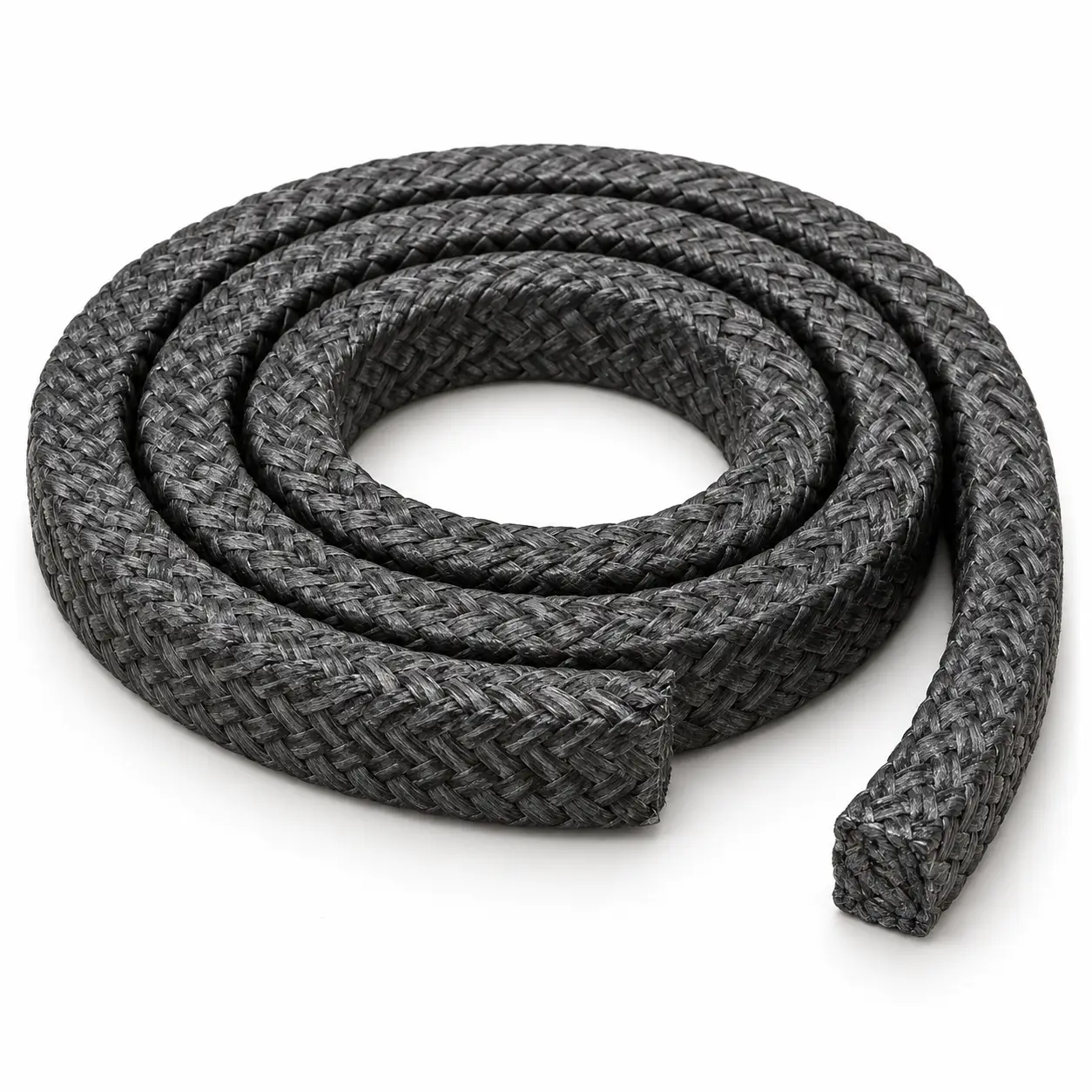
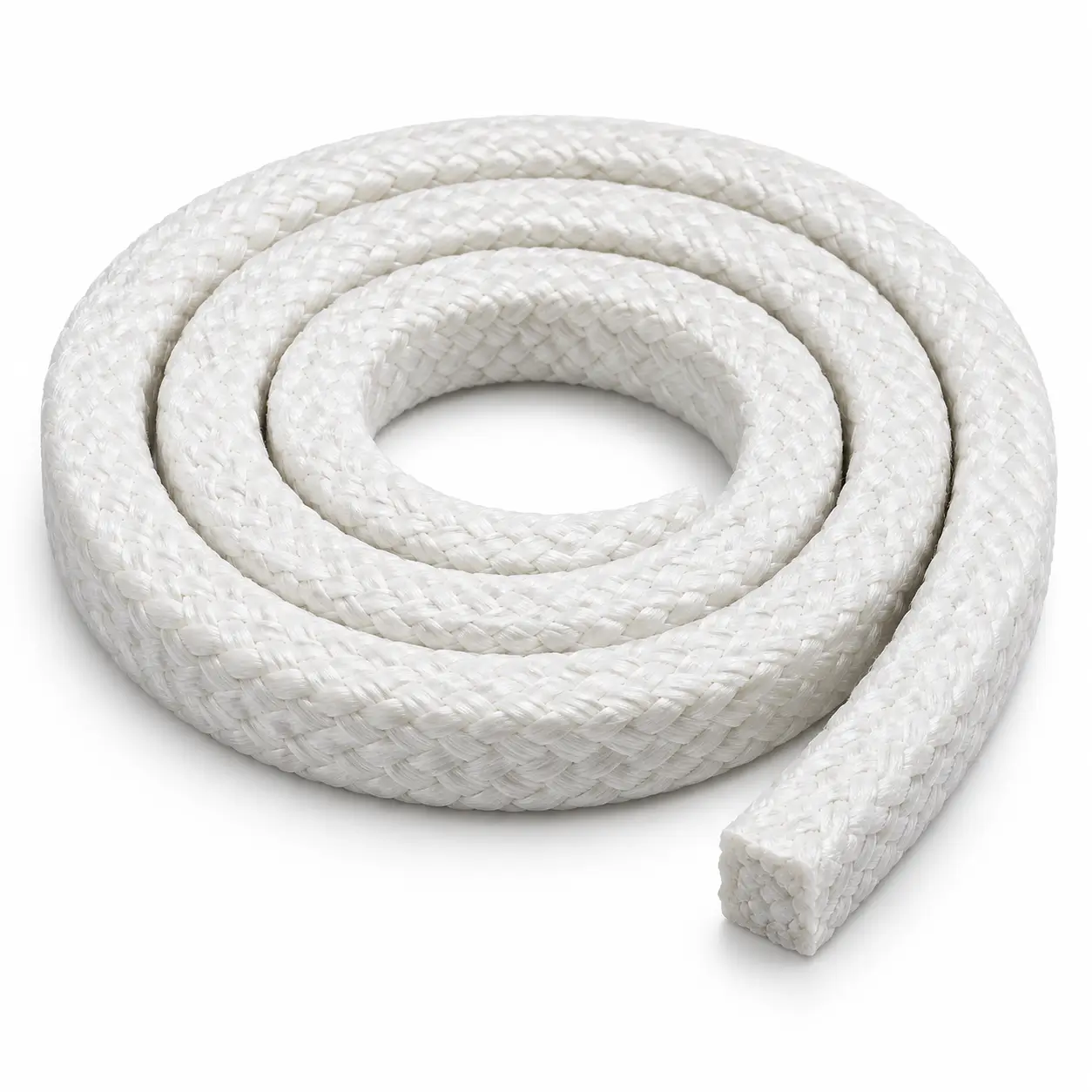
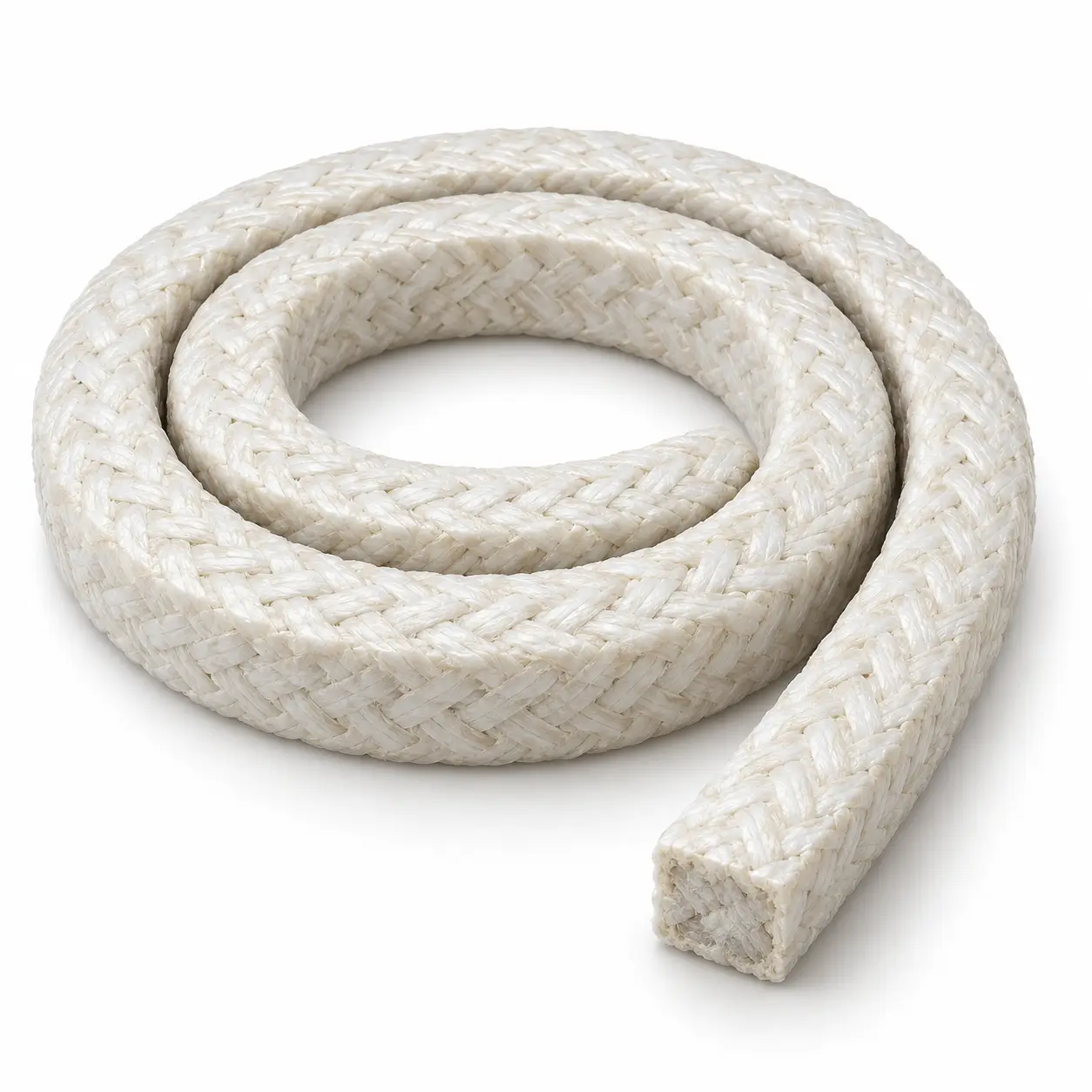
Ningbo Kaxite Sealing Materials Co., Ltd. produces mineral fiber packing at its Ningbo, Zhejiang facility, specializing in ceramic fiber and glass fiber braided gland packing for high-temperature and chemically aggressive sealing. Ceramic fiber grades reach 850°C with fiberglass reinforcement and 1050°C with Inconel, stainless steel or Nickel wire; glass fiber grades are rated to 600°C with PTFE or graphite impregnation. Both families operate in the pH 5–9 range and are specified primarily for static sealing — valve bonnets, vessels, heaters, manholes, furnace doors and expansion joints — rather than high-speed rotary shafts.
For applications requiring broader pH tolerance or dynamic shaft service, Kaxite also supplies graphited and PTFE-impregnated asbestos packing where local regulation permits. Every mineral fiber shipment includes MTR and EN 10204 3.1 certificates on request. The factory runs braiding, impregnation and ring-forming lines under ISO 9001:2015, with API 622 and NORSOK M-710 testing available.
Mineral fiber packing from Kaxite is used in oil & gas, chemical processing, power generation, marine and pulp & paper service — wherever the limiting factor is heat, chemical attack or abrasion rather than shaft speed. Send stuffing box dimensions and service conditions for grade selection.
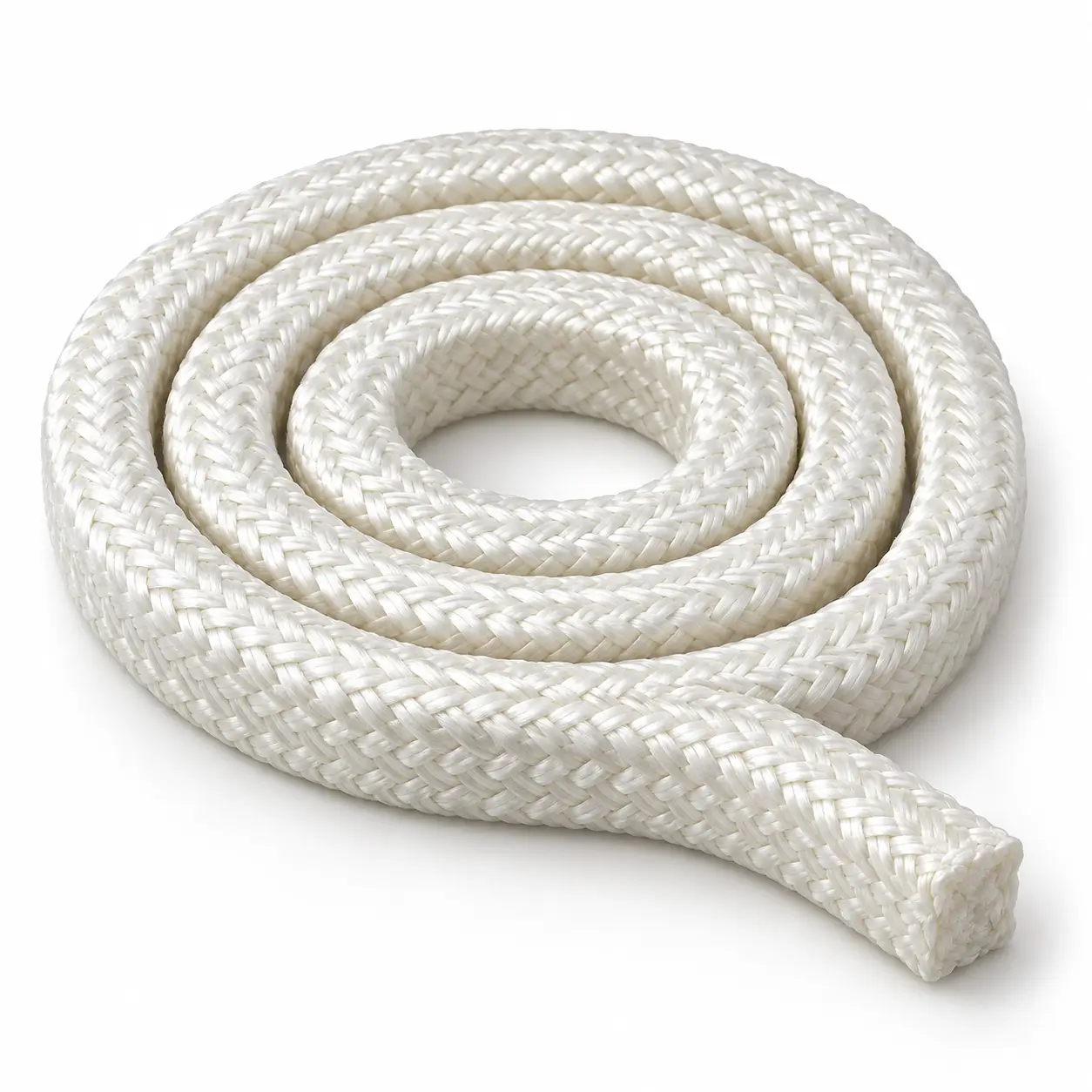

This article outlines essential safety precautions for handling glass fiber packing, including the use of protective equipment, adequate ventilation, careful handling to minimize dust and skin irritation, and proper storage and disposal practices.
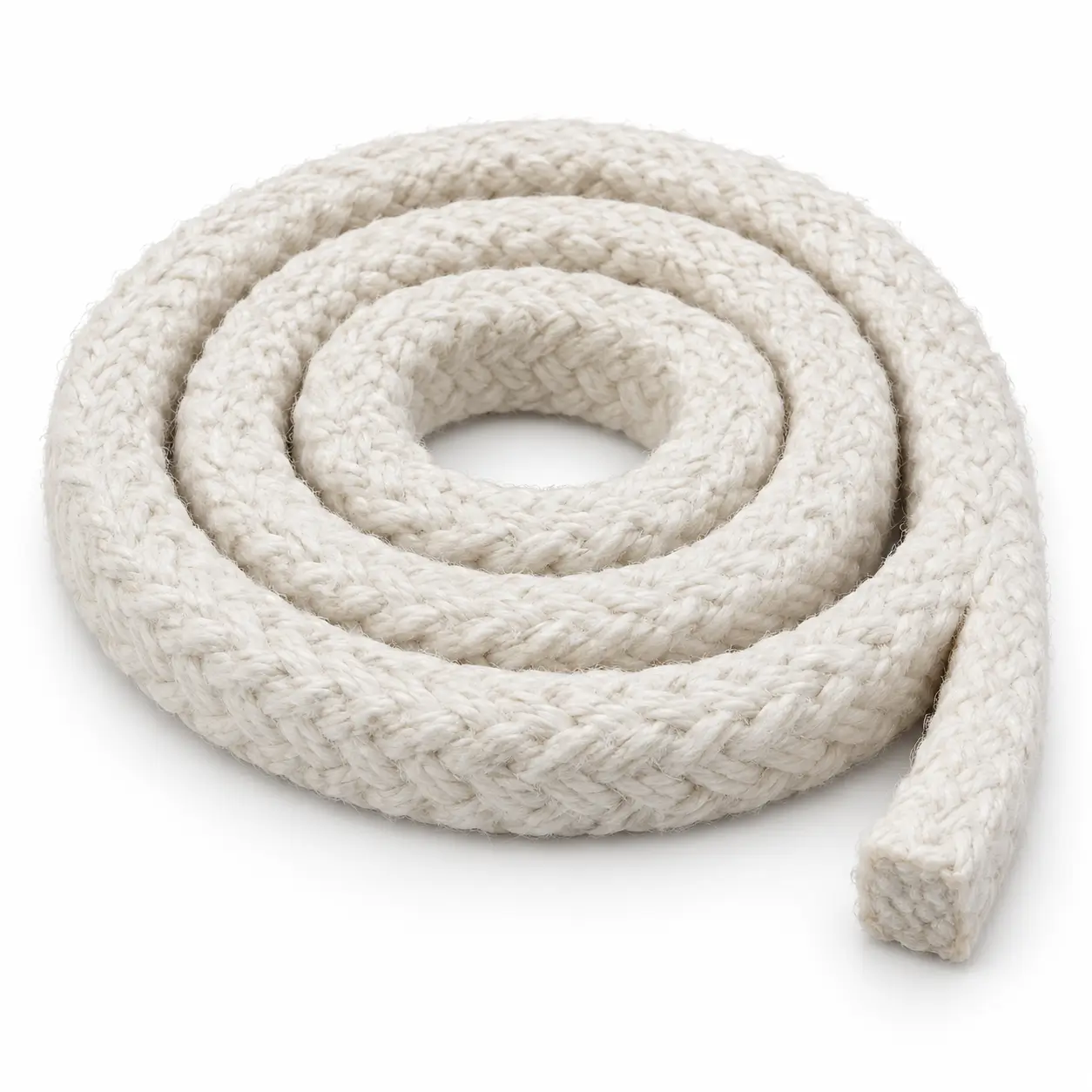
View More This article explores the advantages and disadvantages of mineral fiber packings, highlighting their heat resistance, durability, and cost-effectiveness alongside limitations such as chemical compatibility, abrasion, and handling requirements.
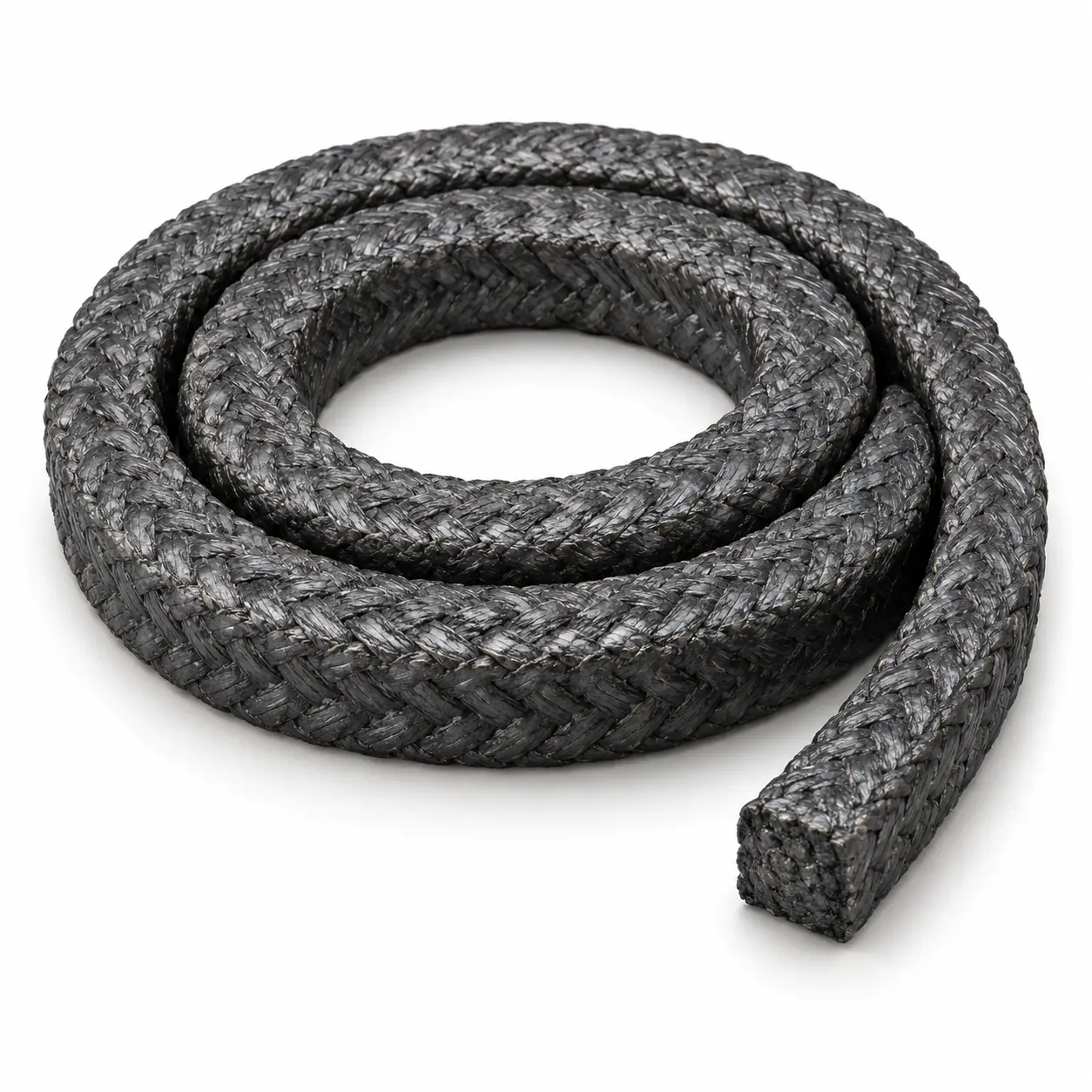
View More This article explains the safe disposal of asbestos packing containing PTFE, covering regulatory requirements, health and environmental risks, handling precautions, approved containment and labeling, and disposal through licensed hazardous-waste professionals.
View More Graphited asbestos packing with oil is a sealing material made from asbestos impregnated with graphite and lubricated with oil, designed for use in pumps, valves, and other equipment to reduce leakage under heat, pressure, and friction. This article explains what it is, how it works, and where it is commonly used.
View More This article examines the safety considerations of handling and installing ceramic fiber packing, including potential health risks, recommended protective measures, and best practices for safe use.
View More This article provides a concise guide to installing glass fiber packing, covering preparation, proper wrapping and seating techniques, tension adjustment, and safety checks to ensure a reliable seal and long service life.
View More Mineral fiber packings are industrial sealing materials made from heat-resistant mineral fibers and are commonly used in braided gland packings for pumps, valves, and agitators. They offer thermal stability, chemical resistance, and dependable sealing performance in high-temperature and harsh-service applications, often serving as an asbestos-free option for both static and dynamic sealing where conventional packings may degrade.
View More This article examines whether asbestos packing with PTFE is suitable for high-pressure steam and hot water service, focusing on its sealing performance, temperature and pressure limits, and the safety and reliability concerns that affect its use in demanding applications.
View More This article explains the key signs and operating conditions that indicate when graphited asbestos packing should be replaced with oil, helping readers decide the right time for maintenance and avoid equipment damage.
View More Ceramic fiber packing is a high-temperature sealing material used in demanding industrial environments. This article introduces its key properties and explores the best applications for ceramic fiber packing, including furnaces, boilers, valves, pumps, expansion joints, and other equipment exposed to extreme heat, corrosion, and mechanical stress.
View More This article provides a concise overview of how glass fiber packing is made, covering the melting and fiberization of glass, yarn or strand formation, treatment and impregnation, braiding or weaving into packing, and final finishing and quality checks.
View More Mineral fiber packings work in pumps and valves as braided or formed sealing materials that are compressed into the stuffing box or gland area to create a durable barrier against leakage. Typically impregnated with lubricants or binders, they conform to the shaft or stem, reduce friction and wear, and help seal against fluids under pressure while offering resistance to heat, chemicals, and abrasion.
View More